Edinburgh Festivals & Events: The Complete Guide (2026)
Edinburgh: The World’s Festival City
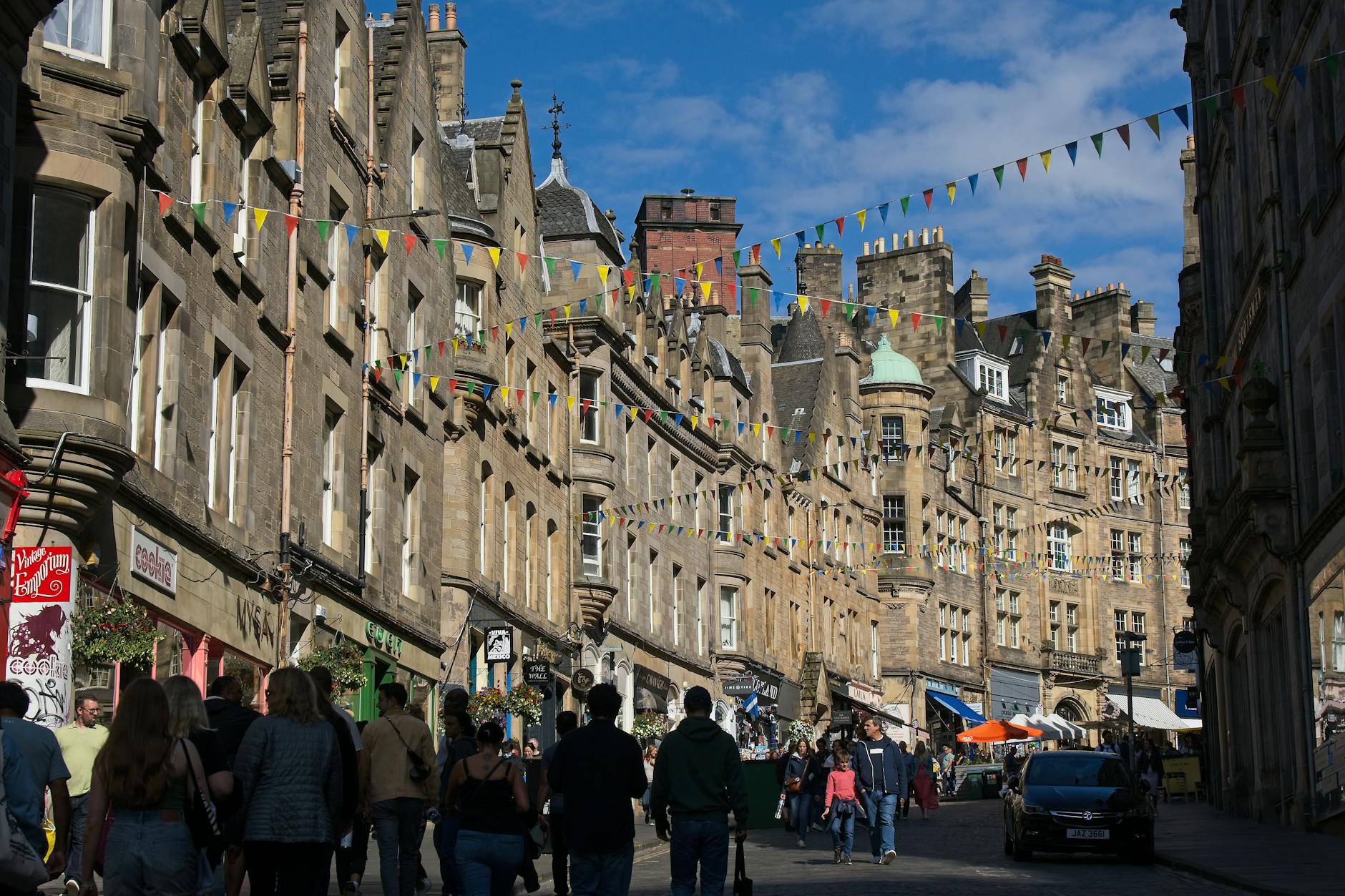
Edinburgh festivals are legendary. No other city on Earth hosts as many major cultural festivals as Edinburgh, earning it the title of “The World’s Festival City.” From the colossal Edinburgh Festival Fringe — the largest arts festival on the planet — to the spectacular Hogmanay celebrations that welcome the New Year with fireworks over the castle, Edinburgh’s calendar is packed with world-class events throughout the year.
With 11 major festivals and dozens of smaller events running from April through January, there’s barely a month without something extraordinary happening. Whether you’re drawn to comedy, theatre, music, literature, science, film, visual art, or military pageantry, Edinburgh festivals offer unforgettable experiences that define the city’s cultural identity. This guide covers every major Edinburgh festival, with practical tips for planning your visit, booking tickets, finding accommodation, and making the most of each event.
Edinburgh Festival Calendar 2026: Month-by-Month Guide
Planning around Edinburgh festivals requires knowing when each event takes place. Here’s the complete calendar for 2026, from the spring science festival through to the winter celebrations.
Spring: Edinburgh Science Festival (April 4–19)
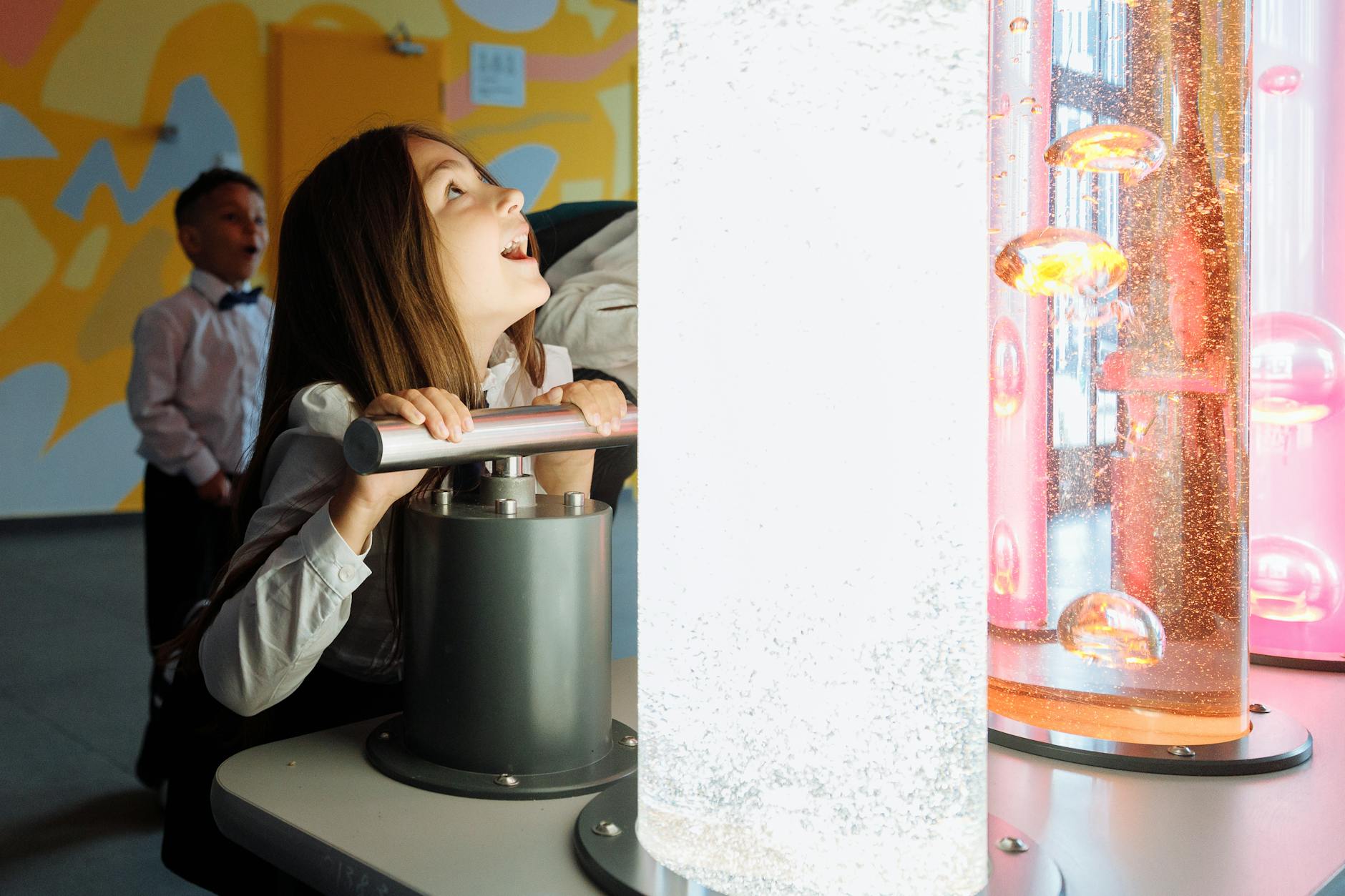
The Edinburgh Science Festival kicks off the city’s festival season each April with two weeks of interactive exhibitions, workshops, performances, and talks exploring science, technology, engineering, and mathematics. It’s one of Europe’s largest science festivals, attracting over 100,000 visitors annually. Events range from hands-on experiments perfect for families visiting Edinburgh with kids to cutting-edge lectures by world-leading researchers. Many events are free, though popular workshops book up fast — reserve online as early as possible.
Late Spring: Edinburgh International Children’s Festival (May 30 – June 7)
Formerly known as Imaginate, this festival brings innovative, world-class theatre and dance for young audiences to Edinburgh. Performances are carefully curated for different age groups, from toddlers to teenagers, and often push the boundaries of children’s performance art. It’s a wonderful reason to visit Edinburgh in early summer when the weather is warming and the days are long.
Summer: Edinburgh Jazz & Blues Festival (July 17–26)
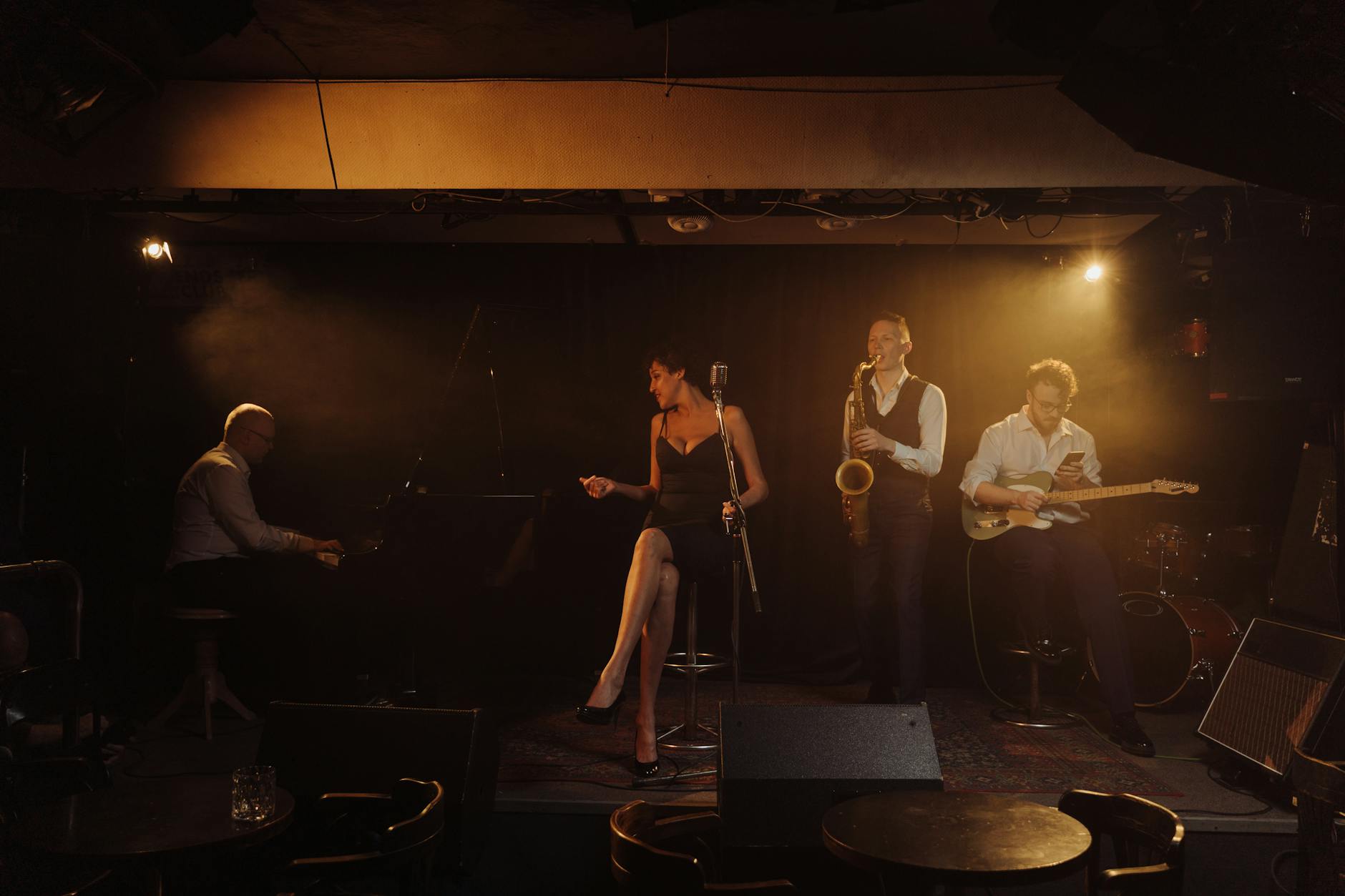
The Jazz & Blues Festival heralds the start of Edinburgh’s summer festival season with 10 days of live music across venues citywide. From intimate pub sessions to outdoor concerts in Princes Street Gardens, the programme features international headliners alongside emerging Scottish talent. The festival’s Mardi Gras carnival parade through the city centre is a free, vibrant highlight. Tickets for individual events range from £10–£40, with many free performances in pubs and outdoor spaces.
August: The Big Five Festival Season
August is when Edinburgh truly becomes the world’s festival capital. Five major festivals run simultaneously, drawing over 4.4 million attendances and transforming every corner of the city into a stage, gallery, or performance space. Understanding each festival helps you plan which events to prioritise.
Edinburgh Festival Fringe (August 7–31)
The Edinburgh Festival Fringe is the single largest arts festival in the world. In a typical year, over 3,000 shows perform across 300+ venues, from grand concert halls to converted shipping containers, pub basements, and moving taxis. The Fringe is open-access, meaning anyone can perform, which creates an extraordinary diversity of work — from A-list comedians testing new material to complete unknowns who might become tomorrow’s stars.

What to Expect at the Fringe
The Fringe covers every performing art imaginable: stand-up comedy, theatre, musicals, cabaret, circus, spoken word, dance, opera, children’s shows, and everything in between. Comedy tends to dominate the headlines, with the Edinburgh Comedy Award (formerly the Perrier Award) launching careers for decades. But the theatre, physical performance, and experimental work are equally compelling.
The Royal Mile becomes a free, open-air entertainment strip during August, with street performers, flyering performers, and impromptu shows creating an atmosphere unlike anything else in the world. You could spend an entire day on the Mile without paying a penny and be thoroughly entertained.
Fringe Practical Tips
Booking shows: Download the official EdFringe app to browse the programme, read reviews, and book tickets. Shows range from free (pay-what-you-want) to around £5–£30 for paid performances. Big-name comedians and hit shows sell out early — book in advance. For everything else, same-day booking works fine, and you’ll often discover gems by taking chances on shows with limited reviews.
Pacing yourself: With thousands of shows available, it’s tempting to pack your schedule. Resist the urge — 3–4 shows per day is a sustainable pace. Leave gaps between shows for travel between venues, eating, and soaking up the street atmosphere. The best Fringe experiences often happen between shows, not during them.
Finding great shows: Check daily star ratings in The Scotsman, The List, and Broadway Baby. Word of mouth from other festival-goers is invaluable. Some of the best shows are in small venues with no advance buzz — trust recommendations from strangers in the queue.

Key Fringe Venues
The major Fringe venue operators — the “Big Four” — each run multiple performance spaces across the city. Pleasance (near the university) is the longest-established and hosts many award-winning shows. Assembly operates venues on George Street and around The Mound. Underbelly runs the iconic upside-down purple cow venue on Bristo Square and the Cowgate venues. Gilded Balloon is famous for comedy and cabaret. Beyond these, hundreds of independent venues pop up in churches, schools, shops, and any space large enough to hold an audience.
Edinburgh International Festival (August 7–30)
While the Fringe is the scrappy, open-access sibling, the Edinburgh International Festival (EIF) is the prestigious, curated elder. Founded in 1947 to reunite post-war Europe through the arts, the EIF programmes world-class orchestras, opera companies, theatre productions, and dance ensembles. Performances take place in Edinburgh’s finest venues, including the Usher Hall, the Festival Theatre, and the King’s Theatre.
The programme is smaller but immaculately curated — every act is hand-selected by the festival director. Tickets are pricier than the Fringe (typically £15–£80), but the production values and artistic calibre are exceptional. The EIF also programmes free events, including large-scale outdoor performances and the spectacular closing fireworks concert over Edinburgh Castle.
The Royal Edinburgh Military Tattoo (August 7–29)
The Royal Edinburgh Military Tattoo is one of Edinburgh’s most iconic events. Performed on the Esplanade of Edinburgh Castle against the dramatic backdrop of the floodlit fortress, the Tattoo features military bands, pipe and drum ensembles, cultural performers, and precision drill teams from around the world. The show culminates with a lone piper playing from the castle ramparts — an unforgettable moment.
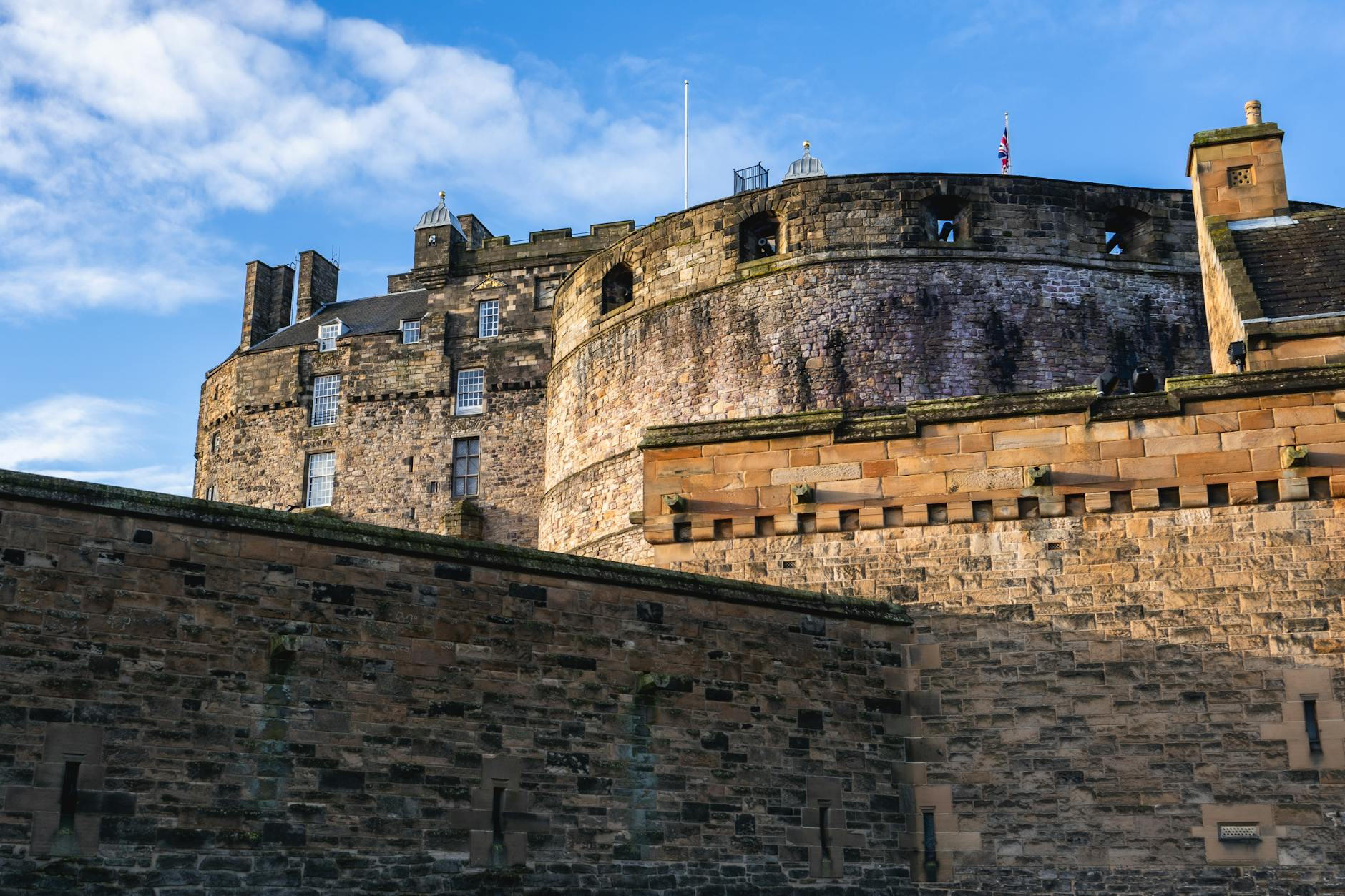
The Tattoo sells out months in advance — around 220,000 tickets sell across its 24 August performances. Book as early as possible (tickets usually go on sale in December for the following August). Prices range from £30–£85 depending on seating. Wrap up warm even in August; the Esplanade is exposed and evening temperatures drop.
Edinburgh Film, Art, and Book Festivals
Edinburgh International Film Festival (August 13–19)
One of the world’s longest-running film festivals, the EIFF screens international premieres, documentaries, shorts, and archive restorations. Now part of the August festival season (it previously ran in June), it features screenings at the Filmhouse and other city centre venues. Ticket prices are typically £10–£15 per screening.
Edinburgh Art Festival (August 14–30)
The Art Festival connects exhibitions across Edinburgh’s museums and galleries with specially commissioned works in unexpected spaces. Many exhibitions are free, making this an excellent addition to any August visit. The festival programme includes artist talks, tours, and workshops alongside the exhibitions.
Edinburgh International Book Festival (August 15–30)
One of the world’s largest literary festivals, the Book Festival brings together hundreds of authors for readings, discussions, and debates. It has hosted virtually every major contemporary writer, from Nobel laureates to debut novelists. Events cover fiction, non-fiction, poetry, children’s literature, graphic novels, and current affairs. Individual event tickets cost £8–£16, and there’s a bustling bookshop and free events programme.

Autumn: Scottish International Storytelling Festival (October 21–31)
As the nights draw in and Edinburgh takes on its atmospheric autumn character, the Storytelling Festival brings oral traditions to life. Based at the Scottish Storytelling Centre on the Royal Mile, the festival features storytellers from Scotland and around the world, with performances ranging from traditional folk tales to contemporary narrative art. It’s an intimate, magical counterpoint to the summer’s blockbuster festivals, and many events are free or low-cost.
Winter Festivals: Edinburgh’s Christmas and Hogmanay
Edinburgh’s Christmas (Late November – Early January)
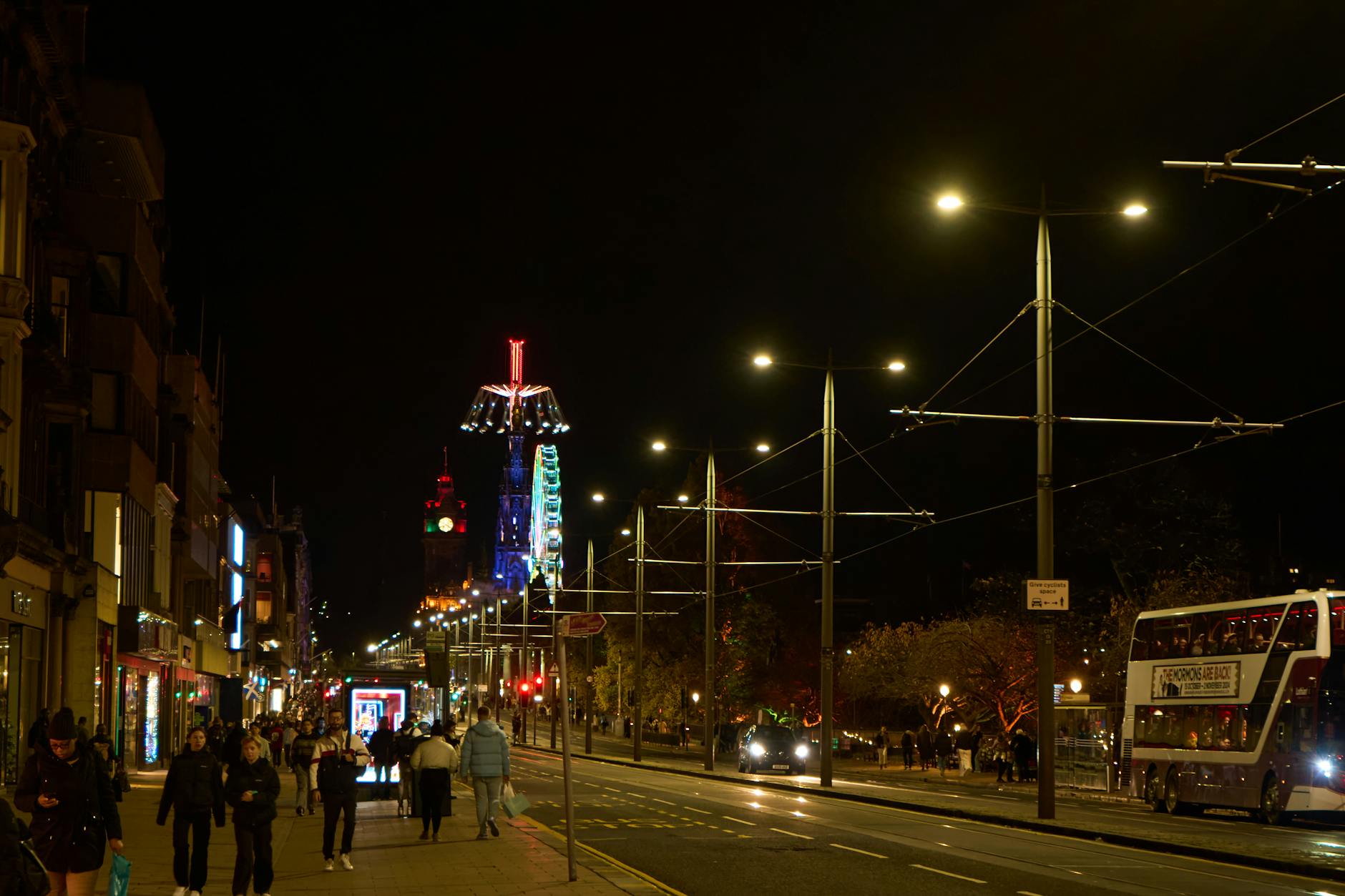
Edinburgh’s Christmas celebrations transform the city centre into a winter wonderland. Princes Street Gardens hosts a Christmas market with over 60 stalls selling crafts, gifts, and festive food, alongside an ice rink, fairground rides, and a towering Christmas tree. The market draws over 2 million visitors across the season.
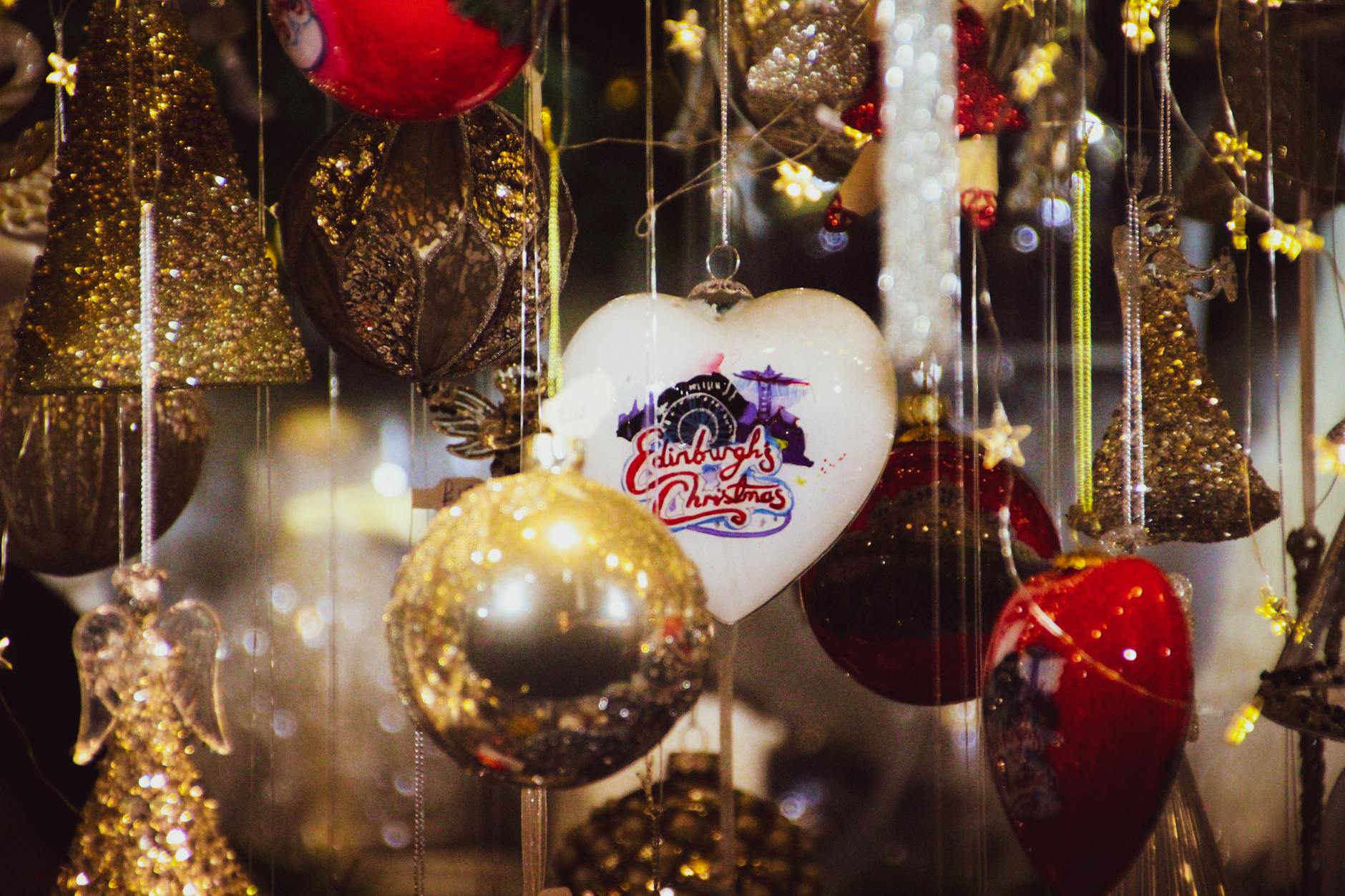
Beyond the market, the city sparkles with light installations, carol services at St Giles’ Cathedral, pantomimes at the King’s Theatre, and the annual light procession. The Christmas Tree Maze and Santa Land offer family-friendly fun, while the Silent Light experience in St Andrew Square provides a more contemplative festive moment. Most market stalls and rides are pay-as-you-go, with individual ride tickets costing £5–£10.
Edinburgh’s Hogmanay (December 29 – January 1)
Edinburgh’s Hogmanay is the world’s most famous New Year celebration, and experiencing it is a bucket-list event. The multi-day festival includes several signature events.
Torchlight Procession (December 30): Thousands of torchbearers march from the Royal Mile to Holyrood Park in a river of fire, accompanied by pipe bands and drummers. It’s a dramatic, atmospheric start to the celebrations and one of Europe’s largest fire festivals.
Hogmanay Street Party (December 31): The main event — up to 100,000 revellers fill Princes Street for a massive outdoor party with live music stages, DJs, food and drink vendors, and the midnight countdown. The party culminates with spectacular fireworks launched from Edinburgh Castle, visible across the entire city. Tickets typically cost £25–£40 and sell out well in advance.
Concert in the Gardens (December 31): A ticketed headline concert in West Princes Street Gardens beneath the castle. Past headliners have included Pet Shop Boys, Biffy Clyro, and Mark Ronson. For 2025/2026, Wet Leg headlines. Tickets are £70–£85 and include access to the street party.
Loony Dook (January 1): Hardy souls plunge into the freezing Firth of Forth at South Queensferry to start the New Year. It’s become a beloved tradition — participation is free but fancy dress is strongly encouraged.

Practical Tips for Edinburgh Festival Visitors
Accommodation During Festival Season
August accommodation prices in Edinburgh can be 2–4 times higher than normal, with standard hotels starting around £250 per night and hostels reaching £60–£80. Book as far in advance as possible — 6+ months ahead is advisable for August. Consider staying in neighbourhoods outside the centre like Leith, Stockbridge, or Bruntsfield for better rates while still being well-connected by bus. Some visitors stay in commuter towns like North Berwick, Dunfermline, or Fife towns accessible by train. Self-catering apartments booked early can offer better value for groups or longer stays.
Getting Around During Festivals
Edinburgh’s city centre gets extremely busy during August. Walking is the best way to navigate between venues — most major Fringe venues are within a 15-minute walk of each other. The city’s buses and trams keep running throughout the festival (with some route diversions), and the TapTapCap system caps daily travel at £5.70. Avoid taxis during peak evening hours when demand is highest. Late-night buses run extended services during August and Hogmanay.
Eating and Drinking During Festivals
Festival season brings pop-up food stalls, extended restaurant hours, and special festival menus across the city. Street food vendors cluster around Bristo Square, the Grassmarket, and George Square Gardens. For budget eating, supermarket meal deals and the cheap eats along Nicolson Street and Clerk Street offer affordable refuelling between shows. Many pubs extend their hours and host free late-night comedy and music during August — check venue boards for after-hours entertainment.
What to Wear
Edinburgh’s weather is notoriously changeable, even in August. Layers are essential — you might start the day in sunshine and end it in rain. A waterproof jacket, comfortable walking shoes, and layers you can add or remove are the festival-goer’s uniform. For the Military Tattoo and outdoor evening events, bring warm clothing — the temperature drops significantly after sunset, especially on the exposed Castle Esplanade.
Edinburgh Festivals at a Glance
| Festival | Dates (2026) | Ticket Prices | Best For |
|---|---|---|---|
| Science Festival | Apr 4–19 | Free – £15 | Families, science fans |
| Children’s Festival | May 30 – Jun 7 | £8 – £15 | Families with young children |
| Jazz & Blues | Jul 17–26 | Free – £40 | Music lovers |
| Festival Fringe | Aug 7–31 | Free – £30 | Everyone — comedy, theatre, art |
| International Festival | Aug 7–30 | £15 – £80 | Classical music, opera, dance |
| Military Tattoo | Aug 7–29 | £30 – £85 | Military pageantry, spectacle |
| Film Festival | Aug 13–19 | £10 – £15 | Film enthusiasts |
| Art Festival | Aug 14–30 | Mostly free | Visual art lovers |
| Book Festival | Aug 15–30 | £8 – £16 | Readers, literary fans |
| Storytelling Festival | Oct 21–31 | Free – £12 | Families, culture seekers |
| Edinburgh’s Christmas | Nov – Jan | Free – £10/ride | Families, festive atmosphere |
| Hogmanay | Dec 29 – Jan 1 | £25 – £85 | New Year celebrations |
Edinburgh Festival Guides
Each festival has its own dates, booking rhythm and survival tactics. Individual guides below.
- the Edinburgh Fringe Festival — The world’s largest arts festival — how to choose shows and avoid burnout.
- the Edinburgh International Festival — The curated programme running alongside the Fringe.
- the Royal Edinburgh Military Tattoo — Tickets, seating and whether the esplanade is worth the cold.
- Edinburgh’s Hogmanay — Three days of New Year, from the torchlight procession to the Loony Dook.
- the Edinburgh Christmas markets — Princes Street Gardens in December — costs, crowds and quieter alternatives.
- the Edinburgh International Book Festival — August’s literary programme and how to get into the sold-out events.
- the Edinburgh Jazz and Blues Festival — July’s warm-up to festival season, with free outdoor stages.
- the Edinburgh Science Festival and annual events — April’s science programme, plus the year-round calendar.
Related Edinburgh guides: festival accommodation, best time to visit, transport guide, Edinburgh nightlife.
Frequently Asked Questions About Edinburgh Festivals
What is the biggest festival in Edinburgh?
The Edinburgh Festival Fringe is the world’s largest arts festival, with over 3,000 shows across 300+ venues each August. In terms of individual attendance, Edinburgh’s Hogmanay and Edinburgh’s Christmas also draw enormous crowds, but the Fringe is the largest by programme size and cultural impact.
When is the Edinburgh Fringe 2026?
The Edinburgh Festival Fringe 2026 runs from August 7 to August 31. The second and third weeks (mid-to-late August) tend to be the busiest periods with the most shows running simultaneously.
Are there free events at Edinburgh festivals?
Yes, all Edinburgh festivals include free elements. The Fringe has hundreds of free shows (pay-what-you-want), free street performances on the Royal Mile, and free late-night events. The Art Festival exhibitions are mostly free. The Science Festival, Jazz Festival, and Storytelling Festival all have free programming. Even the paid festivals often have free outdoor events and community activities.
How far in advance should I book for Edinburgh festivals?
For August festivals, book accommodation 6+ months ahead and popular show tickets as soon as they go on sale (usually May–June). Military Tattoo tickets should be booked in December/January for the following August. For Hogmanay, street party tickets go on sale in autumn and sell out by early December. Smaller festivals like the Science Festival and Storytelling Festival are easier to plan last-minute.
Can I visit Edinburgh during a festival on a budget?
It’s challenging but possible. Focus on free shows and street performances at the Fringe, free museum exhibitions during the Art Festival, and free outdoor events. Stay in a hostel, book well in advance, and eat from street food vendors and supermarkets. Our Edinburgh on a budget guide has detailed money-saving strategies. Alternatively, visit during the quieter festivals (Science, Storytelling, Jazz) when accommodation is much cheaper.
What festivals happen in Edinburgh outside of August?
Edinburgh has major festivals year-round: the Science Festival in April, the Children’s Festival in May/June, the Jazz & Blues Festival in July, the Storytelling Festival in October, Edinburgh’s Christmas from November to January, and Hogmanay at New Year. Plus dozens of smaller events including the Edinburgh International Harp Festival, the Scottish International Open, food festivals, and cultural celebrations throughout the year.
Is Edinburgh worth visiting outside festival season?
Absolutely. Edinburgh is a stunning city year-round, with world-class museums and galleries, historic walking tours, incredible food and drink, and dramatic landscapes that are beautiful in every season. Visiting outside festival season means cheaper accommodation, fewer crowds, and a more relaxed pace — you’ll experience Edinburgh as locals know it. Check our guide to the best time to visit Edinburgh for seasonal advice.